
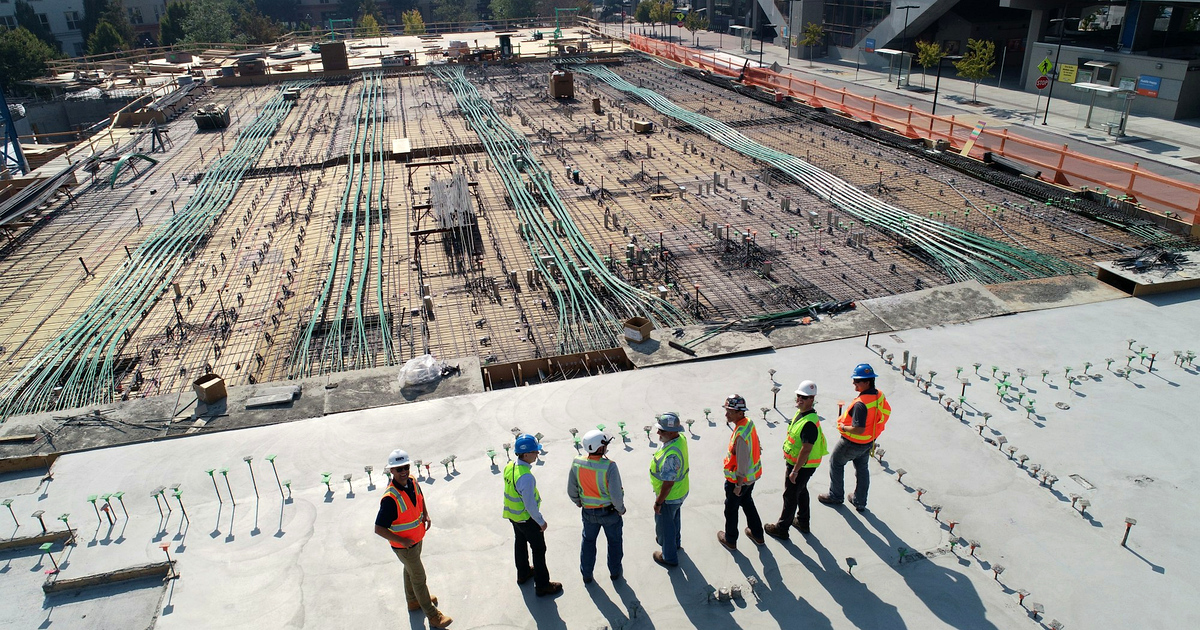
There are few scenarios more stressful for an Adelaide builder, project manager, or property developer than watching an active construction site grind to a sudden halt.
A carpentry crew stops showing up. An electrical subcontractor collapses into voluntary administration. A bricklaying team repeatedly postpones their start date to chase bigger commercial jobs.
In construction management, trades do not operate in a vacuum; they form an interdependent chain known as the critical path. When a framing carpenter or wet-area waterproofer fails to perform, the downstream sequence collapses. Plumbers cannot rough in, plasterers cannot hang sheets, and cabinetmakers cannot measure.
Compounding the problem, Adelaide’s trade market is operating under severe skilled labor constraints. In the scramble to restart work, builders often resort to desperate classified ads or unvetted social media callouts—only to introduce unlicensed operators, sub-standard work, and regulatory penalties.
Knowing how to find reliable backup trades for a delayed construction project in Adelaide is essential for protecting project cash flow, avoiding developer liquidated damages, and preserving building compliance. Here is your tactical site rescue playbook.
Key Takeaways
- The Cascading Delay Trap: A two-week delay from a primary trade rarely stays at two weeks. In Adelaide's tight trade market, subsequent trades cancel their bookings and move to other builders, pushing handovers out by months.
- Contractual Due Diligence: Before bringing replacement trades onto site, builders must follow formal contract default protocols (e.g., Default or Show Cause Notices under Master Builders SA or HIA subcontracts) to prevent unlawful contract repudiation claims.
- Warranty and Defect Demarcation: Incoming trades will not guarantee work completed by their predecessor. A comprehensive photographic audit and defect schedule must isolate historical works from new scopes.
- The Prequalified Network Solution: Rather than cold-calling unavailable contractors, accessing an active, pre-vetted procurement network ensures replacement trades arrive with valid CBS licences, current insurance, and immediate site availability.
The 4 Steps to Safely Recover a Stalled Job Site
When a subcontractor fails to mobilize or abandons an Adelaide building site, jumping immediately to hire a replacement without legal and administrative precautions exposes the builder to severe financial liabilities. Follow this structured four-step recovery framework:
Step 1: Legal & Contractual Default Notice (Show Cause)
                     ↓
Step 2: Photographic Audit & Scope Demarcation (Defect Survey)
                     ↓
Step 3: Rapid Compliance Prequalification (CBS, Insurance, SWMS)
                     ↓
Step 4: Mobilize Vetted Replacement Trades via Procurement Network
Step 1: Formalize Subcontract Default and Site Possession
Under South Australian commercial law and standard construction subcontracts (such as Master Builders SA, HIA, or Australian Standard AS 4000/AS 2124 suites), you cannot simply lock a subcontractor out or hire someone else without due process.
- Review the Subcontract: Identify clauses relating to substantial breach, failure to proceed with due diligence, or site abandonment.
- Issue a Formal Notice to Remedy Default: Provide the contractor with the contractual notice period (typically 5 to 7 business days) to remedy the breach.
- Formal Notice of Termination: If the contractor fails to resume work or show cause, issue a formal written notice terminating the engagement and formally re-taking possession of the works.
Step 2: Conduct an Independent Photographic Audit
One of the greatest sources of dispute when replacing trades is determining who is responsible for existing defects:
- Walk the site with high-resolution cameras and video. Document every structural joint, weld, pipe run, or cable penetration installed by the departing trade.
- Engage a private building certifier or independent quality inspector to sign off on the exact stage reached.
- Create an itemized "Make-Good and Completion Scope". This clarifies what remaining materials must be supplied and what remedial works the incoming trade must execute.
Step 3: Fast-Track Prequalification Under South Australian Law
Under South Australia's Building Work Contractors Act 1995, engaging an unlicensed subcontractor exposes the builder to substantial statutory fines, voided home building insurance (HBCF/QBE), and certifier stop-work notices. Before any replacement trade touches the site, verify:
- CBS Contractor Licence: Confirm on the Consumer and Business Services public register that their licence is active and covers the specific trade category (e.g. general building, roofing, plumbing, electrical).
- Public Liability Insurance: Minimum $10M for residential work and $20M for commercial or multi-dwelling sites.
- ReturnToWorkSA Registration: Ensure workers' compensation is active to prevent statutory vicarious liability.
- SafeWork SA Compliant SWMS: A site-specific Safe Work Method Statement addressing high-risk construction work (e.g. work at heights, live electricity, structural support).
Step 4: Mobilize via an Established Builder Procurement Network
Cold-calling trades from directories or search engines during an emergency typically yields three outcomes: unavailable contractors, unreturned voicemails, or opportunistic "emergency rates" 30% to 50% above market rates. The modern solution is deploying your project plans and incomplete scope through a coordinated procurement network, such as DDDI Group's trade delivery ecosystem, which matches active, vetted Adelaide subcontractors with available capacity.
High-Risk Trades Most Frequently Requiring Site Rescue
In South Australia, skilled labor shortages impact specific trades more severely than others. These critical-path trades require targeted backup protocols:
| Trade Category | Critical Path Impact | Common Causes of Failure | Key Verification for Replacement Trade |
|---|---|---|---|
| Bricklaying & Blockwork | Ground floor structural progress halts completely. | Crew shortages, adverse weather backlogs, under-pricing masonry quantities. | Alignment with structural engineer's reinforcement schedules; mortar mix ratios; tie spacings. |
| Roof Carpentry & Framing | Building cannot achieve lock-up; timbers exposed to weathering. | Inexperienced framing crews struggling with complex engineered roof trusses or steel beams. | Timber framing code compliance (AS 1684); tie-down straps; bracing certification. |
| Metal Roofing & Cladding | Internal wet-trades cannot commence without watertight roof. | Lack of skilled metal roofers; delay in specialized custom flashings fabrication. | Watertightness guarantee; fall-arrest safety systems; compliance with AS 1562.1. |
| Wet-Area Waterproofing | Tiling and cabinetry halted; defect risk highest in residential builds. | Failed inspections by private certifiers due to incorrect membrane dry-film thickness. | Licensed waterproofer with AS 3740 compliance certificates and manufacturer system warranty. |
| Electrical Rough-In | Wall plasterboard hanging cannot proceed until wiring is certified. | Contractor insolvency or electrical supervisor abandonment. | Licensed electrical contractor with capacity to test and submit e-CoC to SA OTR. |
Calculating the True Cost of Delay: Why Fast Trade Action Matters
Many builders hesitate to pay replacement trades, hoping their original subcontractor will eventually return. However, holding costs escalate rapidly on stalled sites:
- Holding Finance & Interest: On a multi-unit development or custom home funded via commercial construction loans, daily capitalized interest continues compounding regardless of site activity.
- Liquidated Damages: Standard commercial and developer contracts enforce liquidated damages ranging from several hundred to thousands of dollars per day for overdue handover.
- Scaffold & Plant Hire: Standing scaffolding, temporary fencing, site toilets, and access equipment incur continuous weekly hire charges while sitting idle.
- Subsequent Trade Rescheduling: When you lose your booked slot with your preferred plasterer or painter, their next opening may be two months away.
Paying a fair market rate to bring in an experienced, prequalified backup trade immediately is almost always vastly more cost-effective than enduring three months of stagnant site overheads.
Frequently Asked Questions (FAQ)
Can a replacement trade certify work completed by someone else?
Generally, no. Under South Australian regulations, licensed trades (such as plumbers and electricians) cannot certify work they did not personally execute or supervise. A replacement electrical or plumbing contractor will typically conduct a comprehensive audit, test existing rough-ins, rectify any non-compliant work, and issue a Certificate of Compliance covering their completed installation.
What should I do if a subcontractor goes into liquidation?
Immediately secure the site and inventory all materials on site. Review whether materials have been paid for and whether retention-of-title (PPSR) claims apply. Contact your legal counsel to formally terminate the subcontract and notify the appointed liquidator or administrator.
How quickly can a backup trade be mobilized in Adelaide?
Through a coordinated procurement network like DDDI Group, replacement trade packages can be matched with vetted, licensed Adelaide subcontractors with current capacity within three to five business days, minimizing critical path disruptions.
How do I prevent trade abandonment on future projects?
Establish clear milestone payment schedules tied strictly to completed, inspected stages rather than calendar weeks. Maintain a verified pool of secondary trade partners so your business is never dependent on a single subcontractor relationship.
Restart Your Stalled Adelaide Construction Project with DDDI Group
Project delays and trade dropouts do not have to derail your building business or erode your development profits.
At DDDI Group, we understand the realities of South Australia's built environment. Through our integrated delivery network, we connect builders, project managers, and developers with vetted, licensed Adelaide trades who have demonstrated capacity and verified compliance records.
Need backup trades to get your Adelaide project back on schedule?
Submit your current project plans and incomplete scope of works at DDDI Group Get Started to access qualified Adelaide subcontractors ready to step in and restore site momentum.