
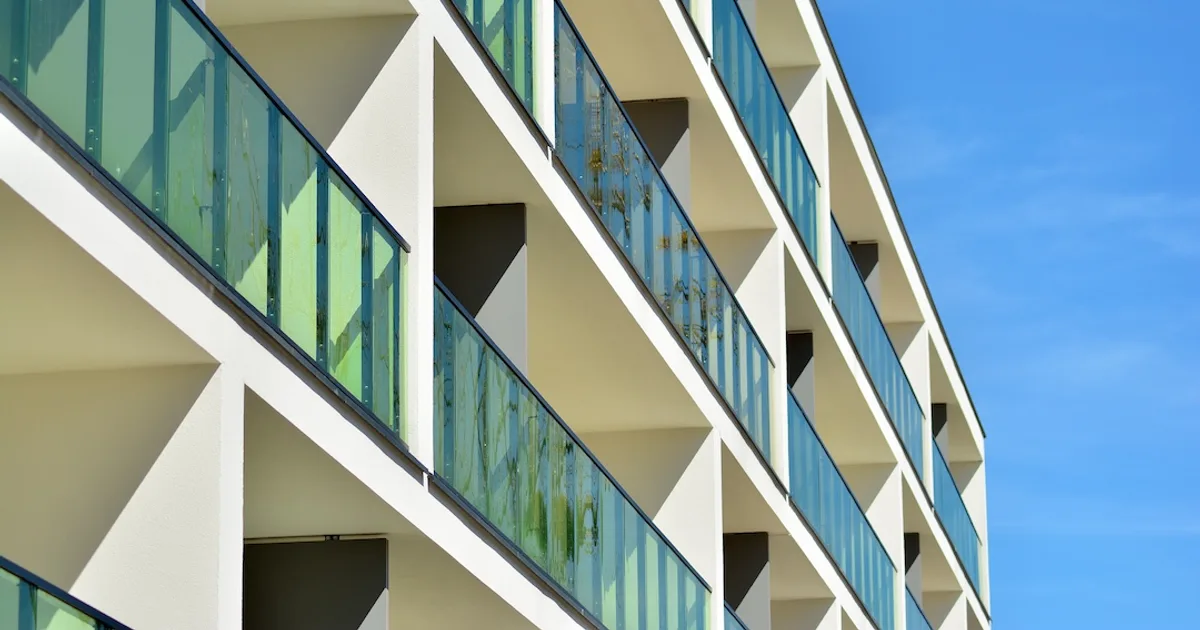
Adelaide's infill housing is quietly changing skin. Double brick gives way to lightweight walling on upper storeys and increasingly whole facades: autoclaved aerated concrete (AAC) panel — Hebel being the name most builders use — plus the fibre-cement and composite systems around it. Every builder making that shift needs something the market is short of: crews that install panel systems to the manufacturer's manual, not approximately.
This guide covers the panel end of the cladding market from the installer's side: why system-accredited crews are scarce enough to command repeat work, what builders check before letting a panel package, and how invitation-based quoting compares with scrapping for one-off jobs.
Key Takeaways
- Lightweight cladding is a systems trade: builders buy conformance to the manufacturer's installation manual as much as they buy labour, because the warranty and the certifier both hang off it.
- The post-cladding-crisis compliance environment means documentation — system, fixings, substrate, flashings — is checked harder on facades than almost any other package.
- Crews that install to manual, photograph their substrate and flashing stages, and hand over a tidy conformance trail get re-invited; price alone rarely dislodges them.
The 3 Biggest Headaches Facing Adelaide Panel and Cladding Crews
1. Being Priced Against Non-System Installers
Any carpenter can screw sheet to frame; not every crew installs an AAC or composite system to its manual — adhesives, fixing patterns, control joints, cavity details. When a builder compares a conforming quote against a non-conforming one on price alone, the conforming crew loses the job and the builder inherits the defect. Crews need builders who know the difference.
2. Substrate and Flashing Scope That Arrives Undefined
Panel quotes fail on what sits behind the panel: frame straightness tolerances, sarking and cavity battens, window flashings, penetration sealing. When the invitation is silent on these, the installer either carries them silently or fights the variation later.
3. The Compliance Shadow Over Every Facade
Since the cladding crisis, certifiers and insurers look at external walls harder than at any other element. That scrutiny lands on installers as documentation demands — system identification, fixing schedules, photos at hold points. Crews without a documentation habit get filtered out of exactly the better-paying, compliance-conscious projects.
What Adelaide Builders Look for When Letting a Panel Package
- System accreditation or demonstrable manual conformance. For Hebel specifically, builders prefer crews that have done the manufacturer's installer training or can show completed projects installed to the current manual, with the paperwork to match.
- Licence standing. Cladding installation contracted as building work in South Australia falls under Consumer and Business Services licensing — verify your class on the CBS register before the builder does.
- A quote that names the system. Panel brand and thickness, adhesive and fixing specification, control joint spacing, and what substrate condition is assumed. A quote written this way is readable against the facade drawings; a lump sum per square metre is not.
- Stage photography as habit. Builders increasingly ask for photos at substrate, flashing and pre-render stages because their certifier asks them. Crews that volunteer this win trust cheaply.
- Interfaces declared, not discovered. Who installs the window flashings, who seals the penetrations, where the render scope begins — a crew that lists its exclusions clearly is easier to let a package to than one that leaves them to be found on site.
How Invited Quoting Differs From Scrapping for One-Off Work
In an invitation-based procurement network, a cladding crew holds a standing profile — licence, insurance, systems installed, training certificates, service area — and receives invitations to price defined facade packages with architectural drawings and the specified system attached.
For a panel crew, the practical differences:
- The system is specified before you price. No guessing whether the builder means 75mm panel on battens or 50mm direct-fix; the invitation says, so the quote can conform.
- You are compared with comparable crews. A conforming installer is read against other conforming installers, not against whoever owns a screw gun.
- Substrate assumptions are on paper. Frame tolerance and cavity details sit in the documents, which is where variation arguments go to die.
DDDI operates such a network across Greater Adelaide; the terms for trade partners are set out on the trade partner page.
Types of Panel and Cladding Packages Across Greater Adelaide
- Upper-storey panel on two-storey infill — the volume package: AAC panel on the first floor over brick ground floor, let crew-supplied or builder-supplied.
- Full lightweight facades on townhouse runs — multiple dwellings as one package, where sequencing with frame and window installation sets the programme.
- Intertenancy and party wall systems — AAC panel party walls on attached dwellings, priced on acoustic and fire detailing rather than face area.
- Recladding and facade remediation — replacement of non-conforming cladding on existing buildings, the most documentation-heavy end of the market.
Frequently Asked Questions
Do I need specific accreditation to install Hebel for builders?
Builders strongly prefer crews that have completed the manufacturer's installer training or can demonstrate conformance with the current installation manual on past projects. It is the manual conformance — fixings, adhesives, joints, flashings — that protects the builder's warranty position, so evidence of it is effectively the entry ticket.
What licence covers cladding installation in South Australia?
Cladding contracted as building work sits under CBS licensing, and the class must cover the work you take on. Check the CBS public register for your own standing before quoting, because the builder will.
Who is responsible for the substrate the panel fixes to?
The framing carpenter builds it; the cladding installer is entitled to a substrate within the system's stated tolerances. Your quote should state the assumed tolerance and the rate basis if rectification is needed — that single line prevents the most common panel-package dispute.
Should I photograph my work stages even if the builder doesn't ask?
Yes. Substrate, flashings, fixings and control joints, photographed before they are covered, cost minutes and settle arguments months later. On facade work specifically, that habit is also what compliance-conscious builders select for.
Get on the Right Side of the Panel Shift
Panel and lightweight cladding volume is growing faster than the pool of crews who install it to manual — which is the rare market condition where documentation discipline, not price, wins the repeat work.
If you install Hebel, AAC panel or lightweight cladding in Adelaide or regional SA, see what joining the network involves at Get Started — Trade Partners.