“Is it really that straightforward to clear trees and prune in property development in Adelaide? In reality, there are significant risks lurking beneath the surface!”
If you are not adequately acquainted with the pertinent regulations, you may be subject to financial penalties or, in more serious instances, a suspension of the project. Delays and legal disputes are the most detrimental issues in development projects.
Today, let’s discuss one of Australia’s iconic tree species—the eucalyptus.
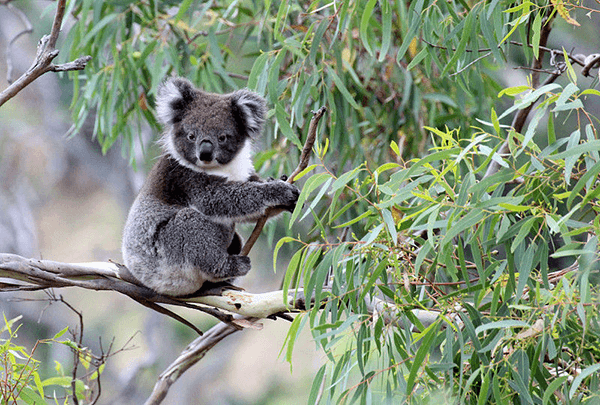
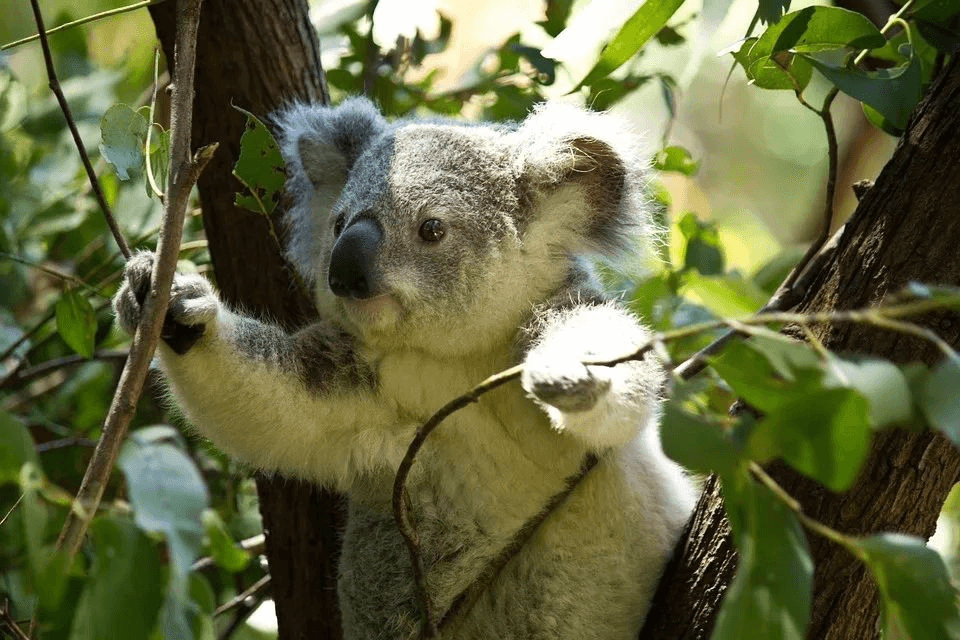
Eucalyptus trees not only serve as habitats for koalas but also present a significant challenge in property development. If not managed properly, they can result in project delays.
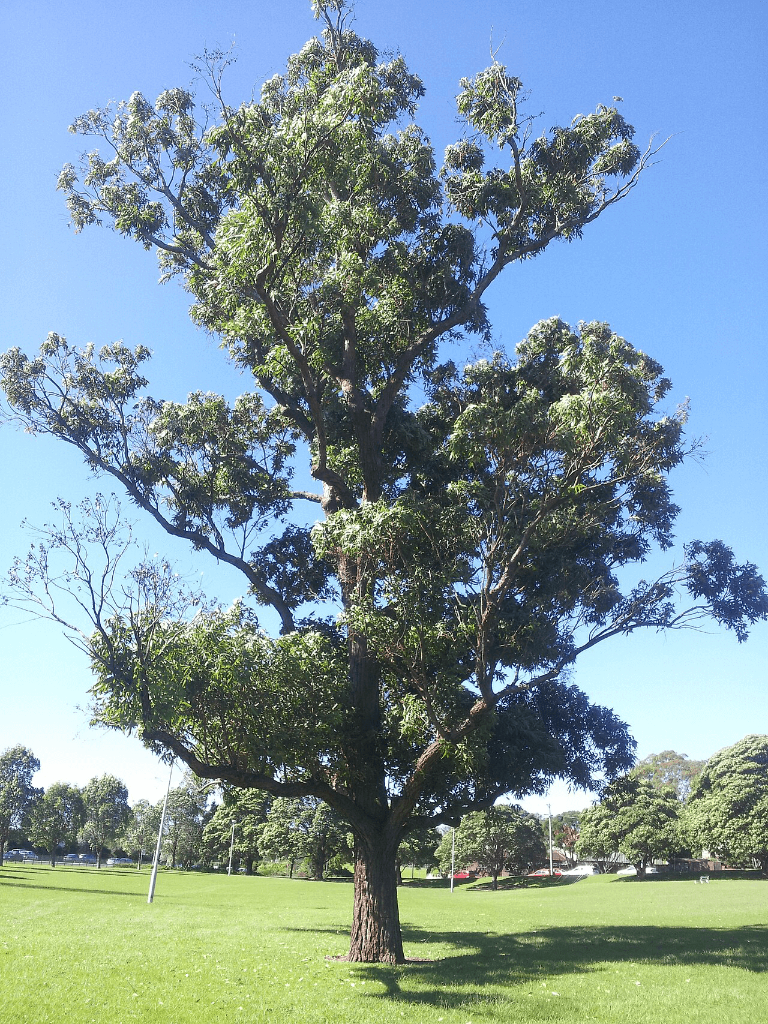
Eucalyptus trees are well-known for their tall and strong trunks, with many species growing to heights of 30 meters or more. In South Australia, if the circumference of a eucalyptus tree measured one meter above ground level is one meter or greater, it is classified as a regulated tree. If the circumference reaches two meters or more, it is considered a significant tree. Such trees cannot be pruned or removed without appropriate permissions.
The bark of eucalyptus trees typically exhibits a smooth, flaking texture with varying colours ranging from pale grey to light brown. Their leaves are elongated and lanceolate, displaying colours from blue-green to grey-green and exuding the distinctive scent characteristic of eucalyptus. These features make them particularly unique in the Australian environment.
Eucalyptus trees are known for their remarkable adaptability, allowing them to survive in harsh conditions. However, their extensive root systems can potentially affect buildings and underground utilities. Therefore, in development projects where eucalyptus trees are present, special attention must be given to root protection and management, as unapproved root damage may also be considered illegal.
For protected species like eucalyptus, any unauthorised removal or significant pruning may result in fines of up to $120,000, in addition to being required to plant replacement trees. Moreover, if the prescribed corrective actions are not taken, local authorities may initiate civil lawsuits. This could lead to legal disputes that may completely halt the development project.
Therefore, how to identify eucalyptus trees? There are over 800 species of eucalyptus, with the most common types including the Blue Gum, River Red Gum, and Spotted Gum. Initial identification can be made by observing the bark's colour and shedding characteristics, as well as the shape and scent of the leaves. If you are uncertain about the species of trees on your development site, we invite you to consult with us or reach out to the local council for verification.